Most disappointing haircuts are not bad cutting. They are bad translation. The client pictured one thing, said a few words, and the barber reasonably built something else from those words. A style change raises the stakes, because there is no shared history of the new cut to fall back on.
The good news is that a style change is a conversation with a structure. Bring the right material, be plain about how you actually live with your hair, and agree on how far to go in one visit. Men in Indian Trail sit down at Indian Trail Barber Shop and make this work every week; here is the version of that conversation that works best.
Start with the situation, not the style name
Style names travel badly. The same name means different lengths in different shops, and a photo online may have been cut for a different head of hair entirely. What transfers reliably is your situation: how much time you spend on your hair in the morning, how fast it grows, where it will not lie down, and what prompted the change. A new job, a wedding in the family photos, boredom with the current cut, or hair that has changed texture as it grays are all useful starting points, because each one points toward a different answer.
Say the reason out loud. Barbers are good at working backward from a goal. They are much worse at guessing a goal from a guarded clipper number.
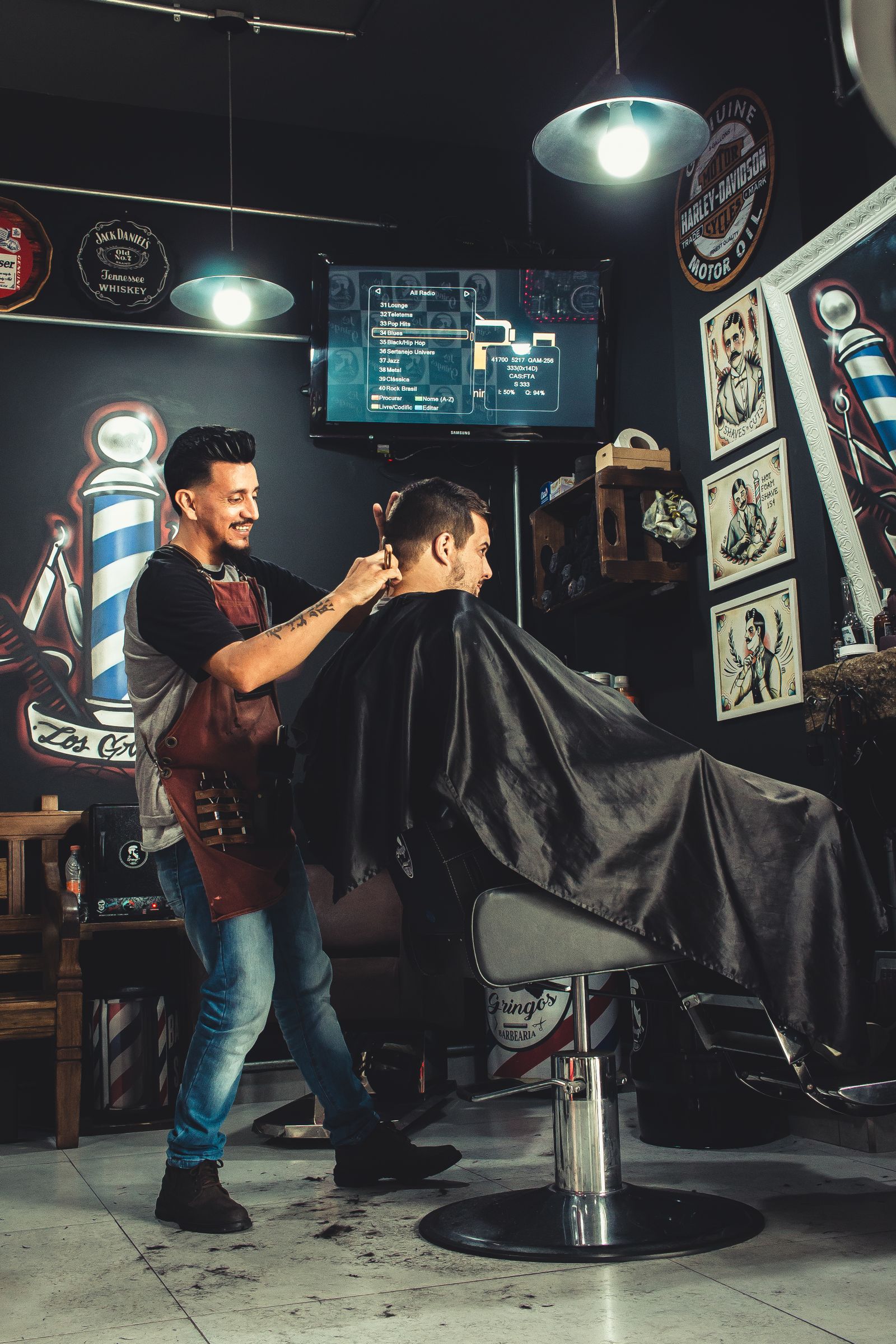
Decide by situation: the common cases
| Your situation | What to bring or say | What usually works |
|---|---|---|
| You saw a cut you like on someone else | Two or three photos of that cut from different angles, ideally on hair similar to yours | Ask what parts of it transfer to your hair type and what parts will behave differently |
| You have five minutes in the morning, maximum | Say that number plainly, and describe your current routine honestly | A cut that dries into shape with little or no product, even if it is less dramatic than the photo version |
| Your hair is thinning or the hairline has moved | Name it directly instead of hoping the barber works around it silently | Length and direction changes that work with the new pattern rather than covering strategies that need constant styling |
| You want a big change but are not fully sure | Say you want a first step, not the whole change at once | Going halfway: shorter or longer in stages over two visits, so you can live with each stage before committing |
| A formal event is coming up | Give the date, and how formal the setting actually is | A test cut two to three weeks before the event, leaving room for the cut to settle and for a cleanup before the day |
| Your hair will not do what the photo does | Ask what your hair does instead: where it waves, sticks up, or grows in a swirl | Adapting the style to your growth pattern, which almost always looks better than fighting the pattern daily |
Reference photos: use them the right way
Photos help, with two rules. First, bring more than one, and prefer ordinary photos over filtered ones; a single polished shot can hide how much styling and product went into it. Second, be ready to hear which parts will not translate. Hair density, texture, and growth direction set hard limits. Thick, straight hair and fine, wavy hair will not hold the same shape, and a barber who tells you that plainly is saving you a month of fighting your own head in the mirror.
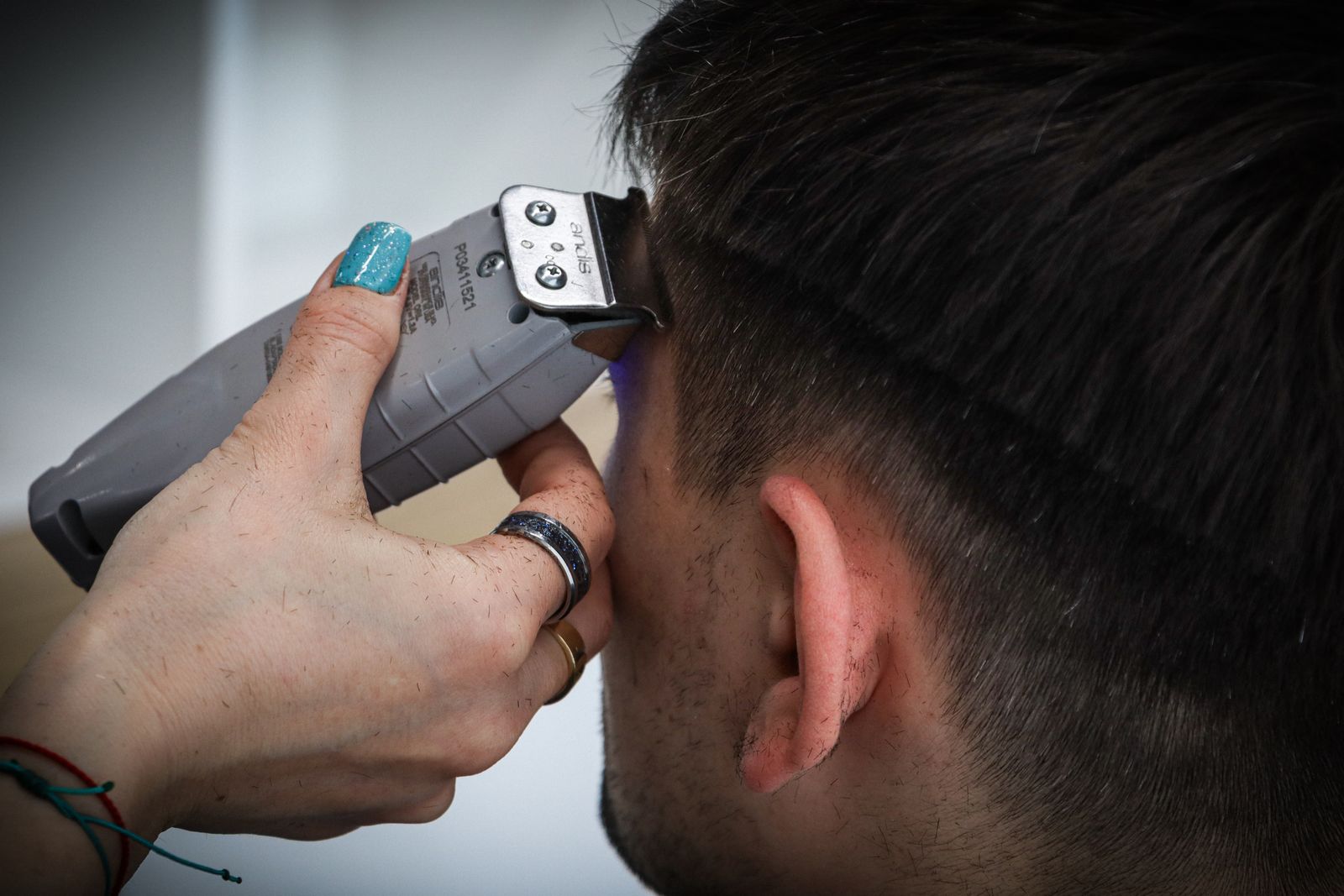
It also helps to point at your own head. Show where you want it shorter, where you are tired of bulk, and where it misbehaves by midday. Those specifics are hard to misunderstand.
Be honest about daily effort
This is where style changes quietly succeed or fail. A cut that needs ten minutes of blow-drying and two products will look right in the chair and wrong by Wednesday if your real routine is a towel and a hat. There is no wrong answer about effort; low maintenance is a legitimate requirement, not a confession. But the barber can only design for the routine you admit to. If you are willing to learn one new step, say which one. Learning to apply a small amount of product to damp hair, for example, unlocks a lot of styles without turning mornings into a project.
Test-drive before you commit
A staged change is not indecision; it is good method. Grow toward a longer style in steps, or come down in length over two visits instead of going from a full head of hair to a tight fade in one sitting. Live with each stage for a few weeks. Take a photo of your own in normal bathroom light, not the shop mirror, because that is the version you will see every day. And if a change does not suit you, say so at the next visit in specific terms: too much bulk here, too short there. Barbers keep mental notes on regulars, and that feedback is how the second version of a new style usually becomes the one you keep for years.
Common questions
Is it rude to bring photos to a barber?
No, it is helpful. Photos give both of you the same reference point. Just be open to hearing which parts of the photo will behave differently on your hair.
What if I do not know any of the terminology?
Say so, and describe the result instead: shorter on the sides, some length to sweep back on top, nothing that needs a blow dryer. A good barber will translate that into the technical choices.
How do I say I did not like my last cut?
Be specific and early, ideally at the start of the next visit. Naming what bothered you, like bulk around the ears or length on top, gives the barber something fixable to work with.
Photos in this guide are representative stock images.
← All guides from Indian Trail Barber Shop← Back to Indian Trail Barber Shop