The first haircut gets all the attention: the photos, the saved curl, the story. The cuts after it are the ones that shape the next few years. A child who settles into a regular, predictable routine at the barber usually becomes the kid who sits calmly, knows what is coming, and walks out unbothered. A child whose cuts happen only when the hair is a crisis tends to treat each visit as a new emergency.
For families in Indian Trail, keeping kids' cuts easy is less about any single visit and more about cadence, familiarity, and choosing cuts that survive real life on the playground. Here is a workable calendar and the reasoning behind it.
Why the second year of cuts matters more than the first
Young children build expectations from repetition. The same chair, the same cape, the same sounds, in the same order, stops being an event and becomes a routine, and routines are what small kids handle best. Long, irregular gaps undo that. If four or five months pass between visits, the shop feels new again, the hair is long enough to need real work, and the appointment runs longer precisely when the child's patience for it is at its lowest.
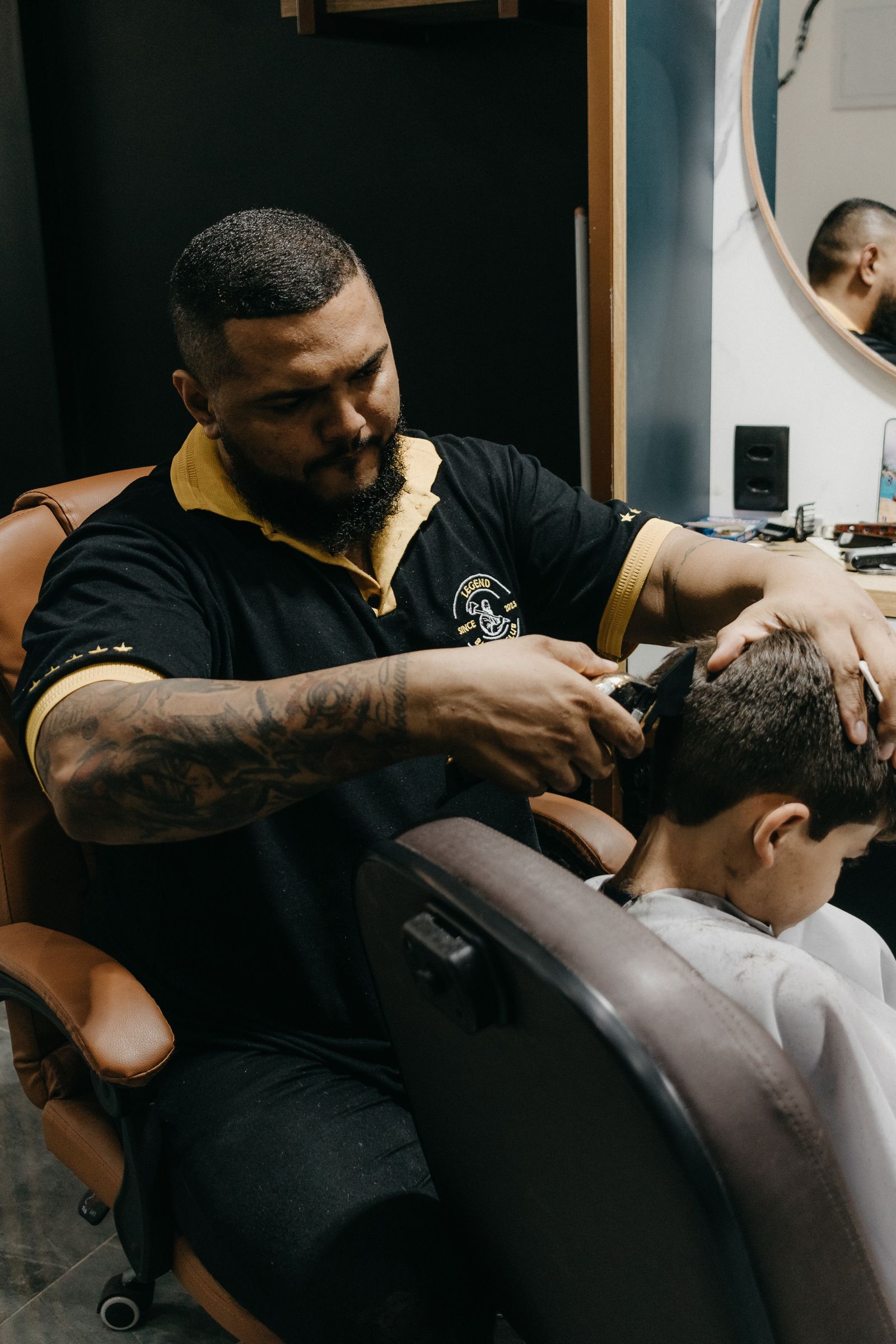
Shorter, regular visits flip that around. The cut itself is smaller, the sitting time is shorter, and the barber becomes a familiar face rather than a stranger with clippers. Parents who use Indian Trail Barber Shop for the whole family often find the child relaxes faster just from having watched a parent go first.
A practical calendar, by stage
| Stage | Typical gap between cuts | What the visit is mainly for |
|---|---|---|
| Toddler, short styles | Every 4 to 6 weeks | Keeping hair out of the eyes and ears; short, familiar visits that build the routine |
| Preschool years | Every 4 to 6 weeks for short cuts, 6 to 8 for longer ones | Holding the chosen shape; cleaning up the neckline and around the ears between bigger cuts |
| Early school years | Every 4 to 5 weeks for fades and short styles | Fades and short sides grow out visibly within a few weeks, so the shape needs regular refreshing |
| Longer styles at any age | Every 8 to 10 weeks | Trimming ends, removing split and tangled sections, and keeping length manageable for washing and brushing |
| Before school photos and holidays | About a week ahead of the date | A fresh cut with a few days to settle, so it looks natural in pictures rather than just-cut |
| Start of summer | One cut at the season change | Shorter, cooler styles before heat, swimming, and summer schedules make appointments harder to keep |
Treat the calendar as a rhythm, not a rule. Hair grows at its own pace, and a child whose hair grows fast will look shaggy sooner. The point is to book the next visit while the current shape still looks decent, rather than waiting until it clearly does not.
Same barber, same chair, where you can
Familiarity is the cheapest tool in this whole subject. A barber who knows that your child hates the clippers near one ear, or sits fine for scissors but not for the trimmer, starts the visit already knowing the plan. The child, in turn, is not spending the first five minutes sizing up a stranger. If your regular barber is away one month, it is not a disaster, but drifting between shops every visit means re-teaching the preferences and the cut itself every single time.
Timing within the day matters too. Book when your child is fed, rested, and not being rushed from somewhere else. A mid-morning appointment on an ordinary day beats a squeezed-in slot after a long afternoon, every time.
Cuts that survive the playground
Choose the style for the child's actual week. Short sides with a little length on top hold up through recess, hats, and helmets, and grow out gracefully between visits. Very precise styles with sharp parts and hard lines look excellent on day one and noticeably untidy by week two, which means more maintenance than most families want. For longer hair, layers that keep it out of the face without constant clips or ties save daily arguments. Tell the barber about the real constraints: a cowlick that stands up by noon, a sensitive scalp, a sport with a helmet, or a child who will not tolerate product. A cut designed around those facts beats a fashionable cut that fights them.
Between visits, home upkeep is small. A quick brush or comb in the morning, washing after sweaty or dusty days, and leaving the scissors in the drawer. Home trims with dull household scissors tend to leave uneven ends that the barber then has to even out by taking more off, which is how a cleanup becomes a shorter cut than anyone planned.
Common questions
How do I help a child who still fusses in the chair?
Keep visits regular and short, book at a calm time of day, and stick with the same barber so the routine becomes familiar. Fussing usually fades as the experience turns predictable.
Should my child get the same cut as mine?
It can work and kids often enjoy matching, but choose based on the child's hair and patience, not the photo. A style needing daily styling or long sitting time is a poor fit for most young children.
When should a trim happen before school pictures?
About a week before. That leaves the cut looking fresh but settled, and it gives you a buffer if the appointment needs to shift.
Photos in this guide are representative stock images.
← All guides from Indian Trail Barber Shop← Back to Indian Trail Barber Shop